Navigating the Shift: Challenges in Transitioning a Leading B2B Computer Parts Company to B2C Retail
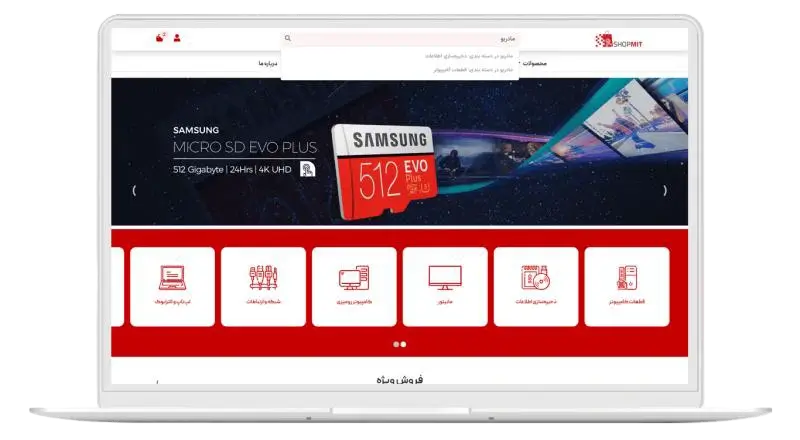
In the fast-paced world of technology retail, few transformations are as daunting as pivoting from a business-to-business (B2B) model to a business-to-consumer (B2C) one.
As a Marketing and Retail Manager at MIT Group, a prominent player in Iran’s computer parts industry, I spearheaded this exact transition from September 2021 to July 2022. What began as a wholesale-focused operation supplying bulk hardware to businesses evolved into a consumer-facing retail powerhouse through Shopmit.net.
This journey wasn’t without its hurdles—challenges that tested our strategies, operations, and adaptability. In this article, I’ll delve into the key business obstacles we faced, drawing from real-world experiences, and share insights on how we overcame them to achieve growth in revenue, market share, and customer satisfaction.
The B2B to B2C Pivot: A Strategic Imperative with Hidden Pitfalls
MIT Group had established itself as a B2B giant, dealing in high-volume sales of computer components like processors, graphics cards, and peripherals to resellers and enterprises. The decision to enter the B2C space was driven by market saturation in B2B and the booming demand for direct-to-consumer tech retail in Iran. However, this shift exposed several core challenges.
1. Redefining Customer Engagement and Lifetime Value
In B2B, relationships are built on long-term contracts, bulk pricing, and personalized negotiations. Transitioning to B2C meant catering to individual consumers who prioritize convenience, variety, and immediate gratification. One major challenge was optimizing customer lifetime value (CLV) without alienating our existing B2B base.
We tackled this by developing a structured business plan that emphasized personalized marketing and loyalty programs. For instance, we analyzed consumer data to segment audiences, leading to targeted campaigns that boosted repeat purchases. The result? A noticeable uptick in CLV, but not without initial resistance—early metrics showed a 20-30% drop in engagement as we fine-tuned our approach.
Lesson learned: B2C demands agile, data-driven adjustments to foster trust and retention in a crowded market.
2. Building a Robust Product Database and User-Friendly Platform
A B2B catalog is often simple and functional, focused on specs and pricing for informed buyers. In contrast, B2C shoppers expect visually appealing, detailed listings with easy navigation. Creating a database of over 2,000 retail products, complete with high-quality images and specifications, was a logistical nightmare.
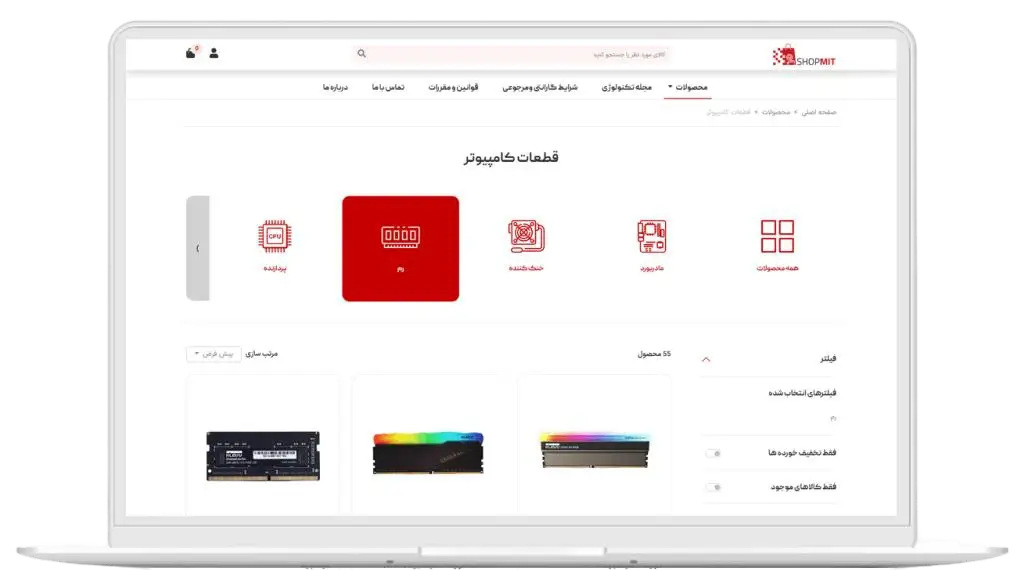
Sourcing accurate data, photographing items, and ensuring compatibility details for computer parts like RAM modules or motherboards required cross-team coordination and significant time investment. We overcame this by integrating tools for automated data entry and user feedback loops. Launching on Shopmit.net, we prioritized a seamless shopping experience, which directly contributed to improved user satisfaction.
3. Scaling Operations for Nationwide Delivery and Customer Support
B2B shipments are typically large and infrequent, handled through established logistics partners. B2C, however, involves countless small orders with expectations for fast, reliable delivery across Iran. Managing an online sales warehouse, overseeing nationwide shipping, and providing real-time call and chat support stretched our resources thin.
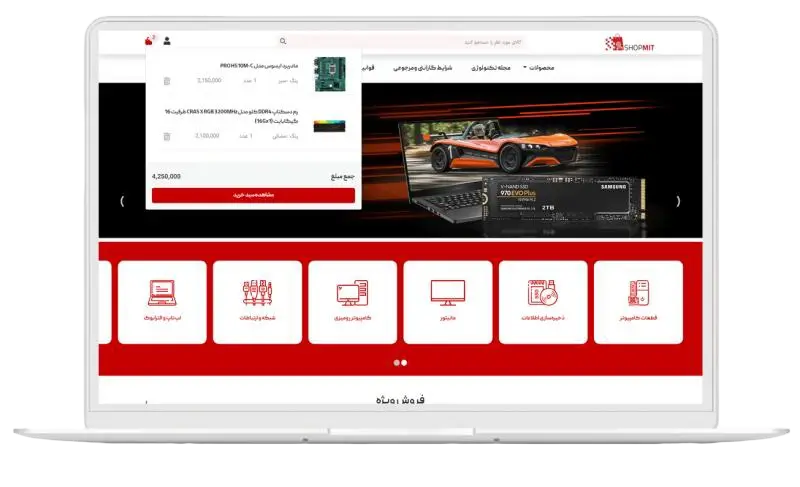
To address this, we partnered with local couriers and implemented tracking software, ensuring efficient order fulfillment. Cross-functional collaboration with supply chain and customer service teams was key, maintaining high standards despite the volume. This not only reduced return rates but also enhanced our brand image as a reliable retailer.
4. Crafting Effective Marketing Campaigns in a Competitive Landscape
Shifting from B2B’s targeted outreach to B2C’s broad digital marketing was another hurdle. We needed to launch new products and campaigns using SEO, email marketing, and social media while monitoring competitors like local tech giants and international e-commerce platforms.
Directing a content team to produce engaging promotional videos and managing day-to-day operations added complexity. Initial campaigns underperformed due to algorithm changes on platforms like Instagram and Google’s SEO updates. We responded by conducting thorough market research, analyzing trends, and iterating on analytics-driven changes to website design and functionality.
5. Ensuring Cross-Functional Alignment and Profitability
Perhaps the broadest challenge was aligning teams accustomed to B2B efficiencies with B2C’s dynamic demands. Working with sales, customer service, and supply chain meant bridging silos to uphold customer experience standards. Profitability was at risk during the transition, as B2C margins are slimmer and marketing costs higher.
Our business plan focused on brand image enhancement and process optimization, leading to increased revenue and market share. By tracking key metrics like ROI on campaigns and user feedback, we achieved sustainable growth.
Lessons from the Frontlines
This 11-month tenure at MIT Group taught me that B2B to B2C shifts in the computer parts industry demand more than strategy—they require resilience and innovation. Challenges like customer realignment, operational scaling, and competitive marketing are universal, but in emerging markets like Iran, they’re amplified by economic factors and regulatory hurdles.
For businesses eyeing similar pivots, start with a data-backed plan, invest in technology for efficiency, and prioritize customer-centricity. The rewards—increased brand recognition and satisfaction—are worth the effort.
Mehrdad Oliaee, Digital Marketing Expert with 15+ years in Iran’s tech ecosystem.